The small volcanic island of Agios Efstratios, commonly called Ai Stratis, has shifted almost entirely to renewable power, according to Euronews. Located in the north-eastern Aegean Sea and home to roughly 250 residents, the island now generates 91 percent of its electricity from renewable sources, a change from its previous full dependence on fossil fuels.
The transition is attributed to the European Union-funded Ai Stratis - Green Island project, which the report says prevents the release of about a thousand tonnes of carbon dioxide annually. Dimitrios Kardomateas, chairman and chief executive of the Centre for Renewable Energy Sources and Savings, described the effort as built around a hybrid system.
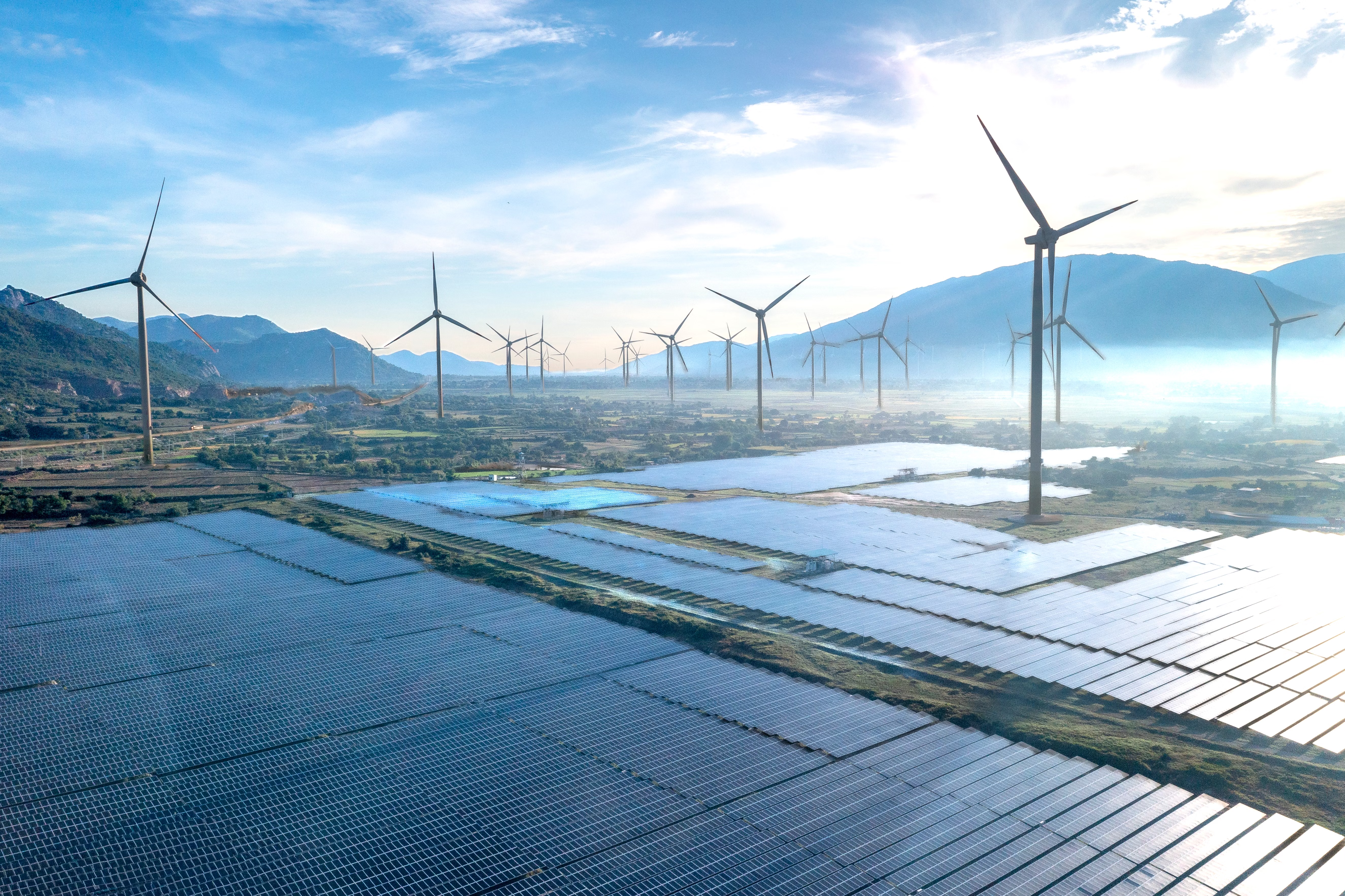
That system combines a 900-kilowatt wind turbine, a 225-kilowatt solar farm, a battery for electricity storage and automated real-time energy management, which Kardomateas called the project's central element. Manolis Klados, project manager at GEK TERNA Group, said excess output is held in the battery, which also discharges when renewable production falls short.
During winter, Klados said, surplus renewable production is converted into thermal energy and stored in four hot water tanks with a combined volume of 500 cubic metres. Electricity from renewable sources reaches residents through the island's existing grid.
For Charalambos Makris, a local resident who manages two guesthouses, the reduced reliance on fuel oil has brought practical benefits. Makris said there is no need to run a boiler inside the house, that heating operates without noise and that it is very economical.
Zoi Vlastou, deputy mayor for citizen services, pointed to the pilot project's value as a model for other Greek islands and for the country more broadly. The total budget for Ai Stratis - Green Island is 7.23 million euros, with 85 percent financed by the European Union's Cohesion Policy and the remaining 15 percent by Greek national funds.