
Croatia Becomes First Mediterranean Country to Introduce New Island Living Assessment
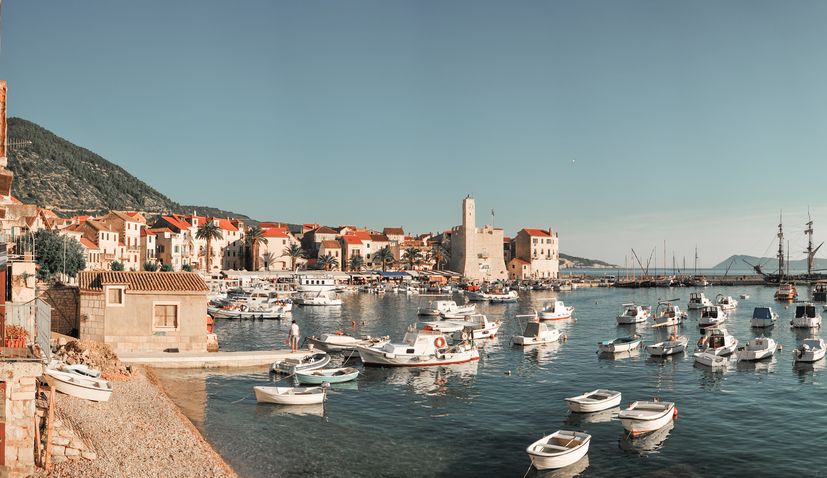
Croatia has become the first country in the Mediterranean to begin implementing Habitability, a methodology designed to measure the real conditions of island life and help shape more effective policies for island communities.
The initiative was launched following a three-day training programme held from 6 to 8 November, during which nine participants from the islands of Vis and Brač were trained as local Habitability trainers.
The project is supported by the Socialists and Democrats Group in the European Parliament and the office of Croatian MEP Tonino Picula, who has long advocated greater recognition of island-specific challenges in European legislation.
Habitability is a tool developed to assess how sustainable and liveable island communities are. Rather than relying solely on conventional statistics or geographical distance from the mainland, it examines the everyday realities faced by island residents.
The methodology uses 45 indicators across seven areas, combining official data with local knowledge and residents’ experiences. These include access to healthcare, transport connections, water supplies, employment opportunities, infrastructure, seasonal population changes and the availability of essential services.
For island residents, distance is not simply a matter of kilometres. Missing a ferry, for example, can mean losing a working day, paying for overnight accommodation or postponing a medical appointment.
The methodology also examines how seasonal population changes affect infrastructure, how much money remains in the local economy and whether children, families and older residents have equal access to essential services.
The training was led by Habitability founder Christian Pleijel, Finnish expert Erika Englund, Professor Nenad Starc of Anatomija otoka, and Ivan Matić of Pokret otoka, who is also Mediterranean vice-president of the European Small Islands Federation (ESIN).
Speaking during the programme, Picula said European and national policies needed indicators that recognised and measured the actual conditions of island life.
He pointed to the difficulty of addressing island-specific challenges through systems that often rely on criteria designed for mainland and urban communities.
OECD research estimates that Croatian island local government units have approximately 29% higher expenditure per capita than comparable mainland communities, after geographical and demographic differences are taken into account.
Picula also highlighted how crises can have a particularly significant impact on peripheral communities, pointing to the experiences of Lampedusa, Tilos and Lesbos during the migration crisis, as well as security challenges affecting Baltic islands.
He said reliable supplies, transport connections and access to essential services were both development priorities and important elements of island resilience.
The next stage will see the newly trained local experts prepare Habitability reports for the island of Vis and the City of Supetar on Brač, with support from Croatian and Finnish specialists and local residents.
The findings will be presented to the respective mayors and used to support local planning, as well as advocacy for island-specific policies at national and European level.
Experiences from Croatia will also contribute to improving and standardising the methodology, with a future edition of the handbook adapted to Mediterranean conditions.
During his visit, Picula also met Vis Mayor Hrvoje Mratinić and Komiža Mayor Ivica Vitaljić to discuss development projects and challenges facing the island.
Among the topics raised were investment in a new fire station through the Integrated Territorial Programme, the protection of traditional Vis and Komiža pogača, and concerns over the future management of the island’s water supply.