
Secure the Supply
Understand groundwater, rainwater, surface water and desalination, how each source fails, and how to build the storage and source diversity that carry an island through drought and storms.
Islands face water problems that most continental countries never see. Thin freshwater lenses, short rivers, limited storage, and supply exposed to drought, cyclones and sea-level rise. This eight-week course treats water security as an economic, institutional and governance question first, not only an engineering one.
The course begins on 19 January 2027 and runs for eight weeks. Places are limited, so secure yours before the cohort fills.
Why This Course
For most islands, reliable water is the difference between a functioning economy and a recurring crisis. Supply is tight, demand swings with tourism and drought, and the systems that deliver water are small and expensive to run. The course asks the questions that decide whether water keeps flowing: who has the right to it, who pays for it, who manages it, and what keeps the system working after the project funding ends.
Over eight weeks you work through the full water chain, from the sources that supply islands to the utilities, finance and governance that sustain them. The course closes on national water strategies and why so many stall between publication and delivery. The approach is practical rather than aspirational.
Understand groundwater, rainwater, surface water and desalination, how each source fails, and how to build the storage and source diversity that carry an island through drought and storms.
Diagnose where utilities lose water and money, design tariffs that balance cost recovery with affordability, and prepare water projects that are ready for investment.
Work through water rights, community and customary governance, and the institutional arrangements that decide who is served well and who is left out.










Water security is solved together, across borders and across sectors. On this course you learn alongside utility managers, hydrogeologists, regulators, finance practitioners and community water leaders working across the Caribbean, Pacific, Indian Ocean, Atlantic and Mediterranean.
Enrol nowDefinitions, water balances and where vulnerability sits. The difference between availability, access, quality and reliability, how to measure an island's water balance, and where water insecurity is concentrated.
Managing the resource beneath your feet. How freshwater lenses form and fail, salinisation from over-abstraction and sea-level rise, and realistic monitoring and protection for small administrations.
Choosing supply options without creating new dependencies. The full lifecycle cost of rainwater harvesting, desalination and water reuse, and when demand management is cheaper than new supply.
Who pays, and why systems lose money. Non-revenue water, tariff design, cost recovery and affordability, and the governance of small island utilities.
Planning for the water emergency before it arrives. Drought planning and early warning, storm-resilient infrastructure, and contingency finance and insurance.
Protecting the water you already have. Decentralised and centralised sanitation on islands, wastewater reuse, and the links between water quality, public health, reefs and tourism.
Who decides, and who is left out. Community water committees, customary rights and formal water law, and fair allocation between islands, sectors and users.
Why water strategies stall, and how to finance delivery. Institutional ownership, financing that holds, and setting sequenced priorities for your own organisation or jurisdiction.
Masterclass leaders
Confirmed expertsEvery session is taught live by a practitioner or specialist, built around real case studies of what has worked on islands and what has not.
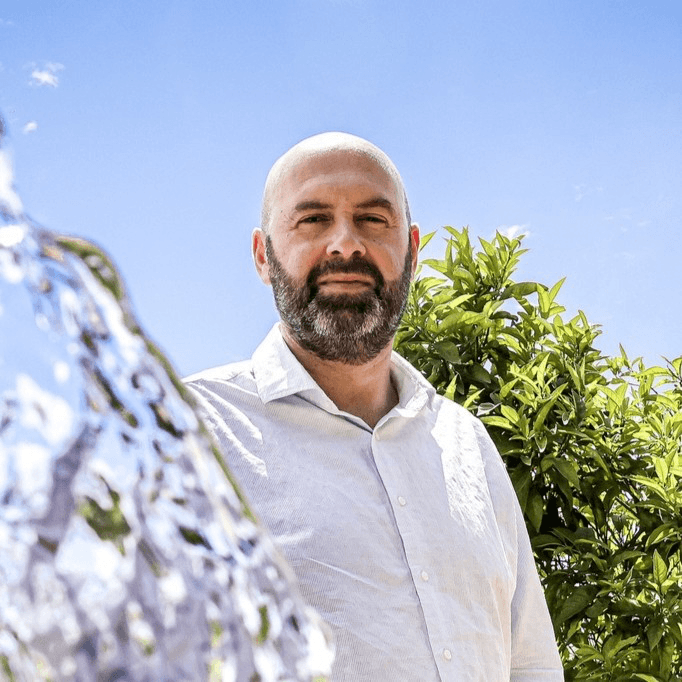
The Groundwater Guardian
Turning thirty years of hands-on groundwater work into practical protection for fragile island aquifers.
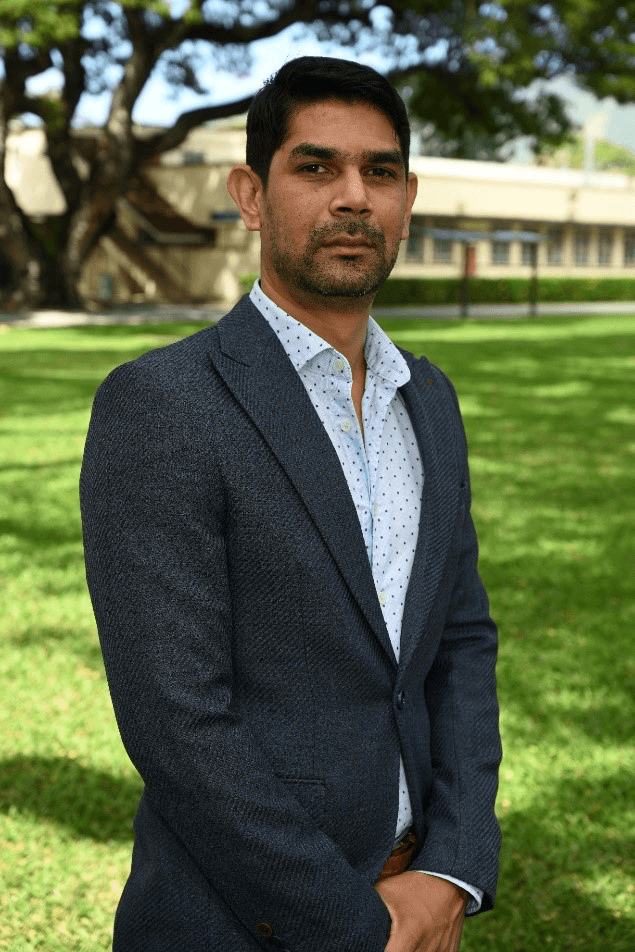
João Nascimento is a hydrogeologist and water resources engineer with over 30 years of experience in groundwater assessment, development and management. His work spans island and small-state settings, including Cape Verde, São Tomé and Príncipe, Timor-Leste, Madeira and Mauritius. In Cape Verde he has supported national capacity building on water licensing, water availability indicators and groundwater monitoring. In Timor-Leste he identified groundwater prospecting sites and supervised drilling and pump testing for a municipal water supply project. For the Madeira Regional Government, he worked on delimiting groundwater bodies under the EU Water Framework Directive. He also works with CERIS at Instituto Superior Técnico, where he co-supervises doctoral research on groundwater.
The Caribbean Resilience Builder
Preparing island water systems for the drought or storm before it arrives.
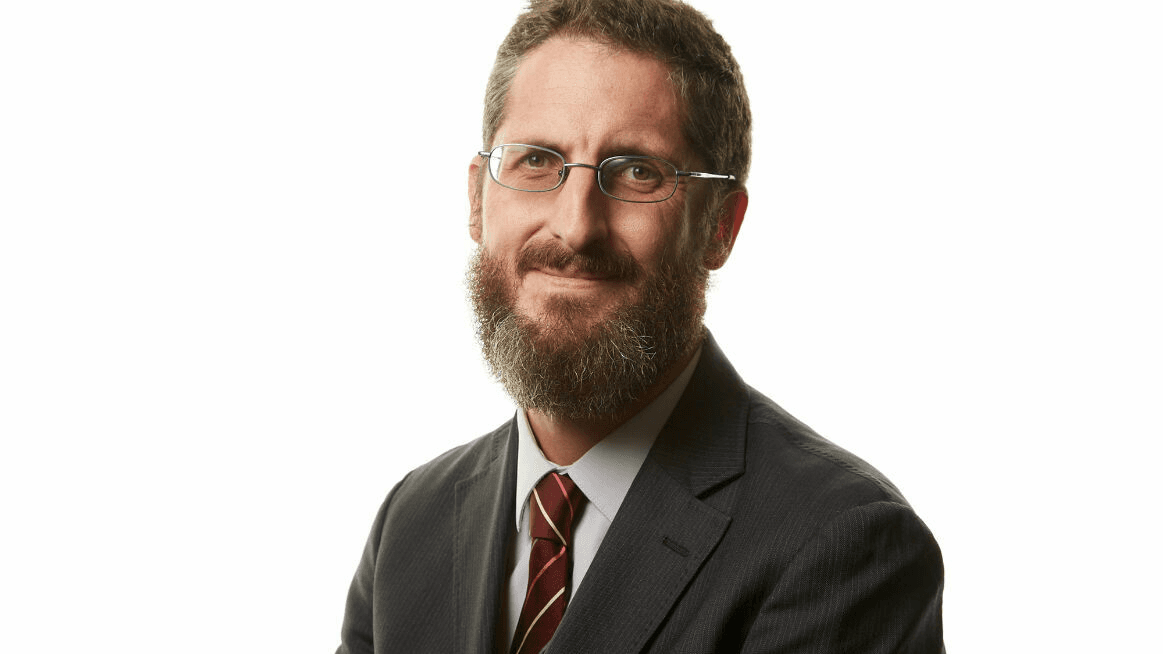
Dr. Ronald Roopnarine is Chair of the Global Water Partnership-Caribbean (GWP-C) and a Senior Lecturer in Agri-Environmental Disaster Risk Management at The University of the West Indies, St. Augustine, where he is also Deputy Dean for Outreach and Internationalization in the Faculty of Food and Agriculture. A soil and geospatial scientist by training, he specialises in integrated water resources management, hazard assessment and disaster risk reduction for Small Island Developing States. He has led regional capacity-building as Network Manager of Caribbean WaterNet (Cap-Net UNDP), including national drought risk management workshops across several Caribbean islands and training on urban flood risk. His work with GWP-C has included flood and landslide risk analysis under climate scenarios, and he was part of the team that developed the Regional Action Framework for IWRM for the CARICOM region. He has also supported national SDG 6 reporting and the development of a Wastewater Reuse Standard for Trinidad and Tobago, and sits on the Scientific Committee of the Integrated Research on Disaster Risk (IRDR) programme.
The Island Water Lawyer
Making water law work for island communities, customary authority included.
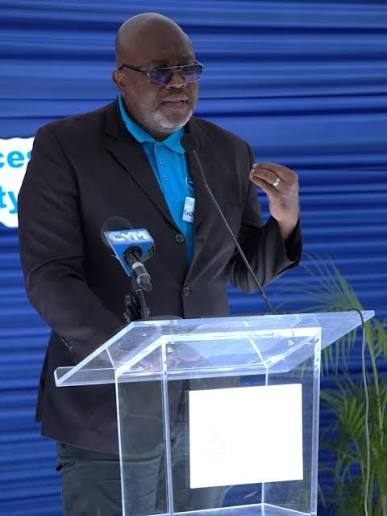
Professor Francesco Sindico is Professor of International Environmental Law at the University of Strathclyde Law School in Glasgow and an elected member of the Executive Board of the International Water Resources Association (IWRA), where he co-leads the Task Force on Islands and Water. His research focuses on water governance and the international law of transboundary aquifers, and on how law can support public participation, sustainability and resilience in island communities. He has advised governments and international organisations before international courts, including as counsel for Bolivia in the Silala case and for IUCN in the International Court of Justice climate change advisory opinion proceedings. From 2021 to 2024 he was seconded to the Scottish Government, where he led the Carbon Neutral Islands project. He founded the Strathclyde Centre for Environmental Law and Governance and the Climate Change Legal Initiative, co-chairs the IUCN World Commission on Environmental Law's Climate Change Law Specialist Group, and has led the International Scientific Committee of the IWRA Islands Water Congress.
The Strategy-to-Delivery Practitioner
Closing the gap between a published water strategy and water at the tap.
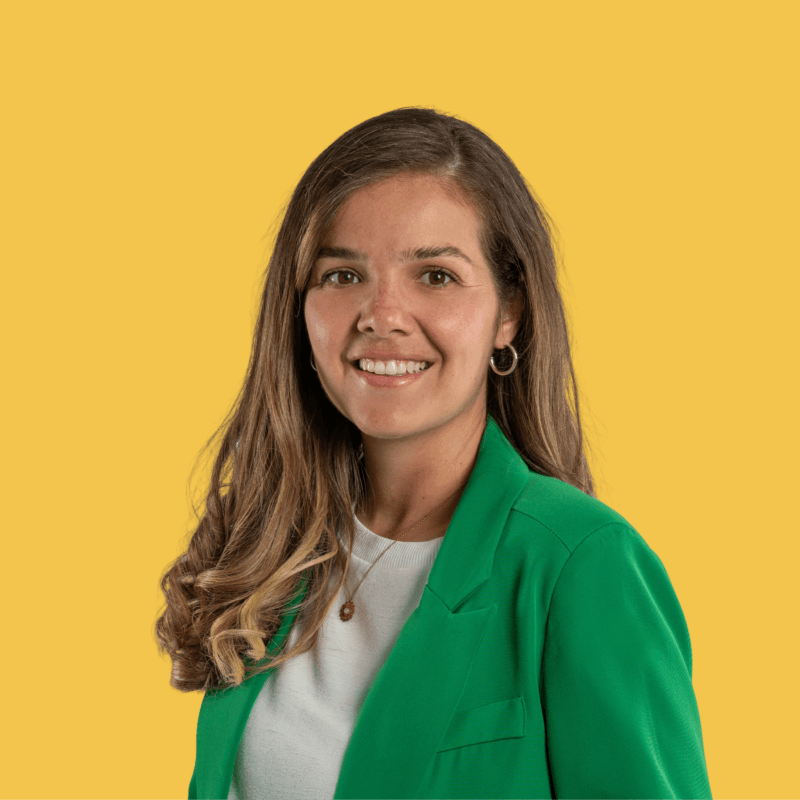
Geoffrey Marshall is the Deputy Managing Director of the Water Resources Authority (WRA) of Jamaica, the agency responsible for the management, protection and controlled allocation of the island's water resources. He is a regular public voice on water security, and has spoken on water conservation, responsible agricultural water use and fertiliser practices, and the protection of watersheds from pollution.
Learn actionable strategies and frameworks designed for island contexts, from water source protection and climate resilience to utility finance and fair water governance.
Build lasting professional relationships through structured networking, connecting with peers, experts, and decision-makers from across the global island sustainability ecosystem.
Engage directly with guest experts working on water security in island and coastal contexts worldwide.
Weekly 90-minute live sessions every Tuesday, 19 January to 16 March 2027, 13:00 to 14:30 GMT.
Real people. Real impact. Alumni from our other capacity-building programmes share how our courses helped them drive change across their islands


One ticket gives you full access to the eight-week programme. Reserve your place and we'll collect participant details before payment.
Full programme access
ISDP Certificate · 8 weeks · Online · English
Island Innovation offers scholarships to support early- to mid-career professionals (2-5 years' experience) who are driving innovation and impact in their island communities. These scholarships aim to expand participants' expertise, leadership skills, and networks to advance sustainable island futures.
Ideal candidates are:
Applicants must submit an online application form including:
Scholarships will be awarded based on:
By removing cost barriers, this scholarship increases accessibility for high-potential changemakers in under-resourced island communities, enriches the course with diverse perspectives, and builds long-term connections among emerging leaders.
The programme
The Island Sustainable Development Professionals (ISDP) Programme is Island Innovation’s flagship professional development programme, designed to equip current and emerging leaders with the knowledge, skills and global networks needed to advance sustainable development in island communities. Through expert-led training, peer learning and real-world case studies, participants engage with some of the most pressing issues facing islands today – from climate resilience and the blue economy to food and water security, energy transitions, circular economy and sustainable governance. Each course combines practical insights with island-led solutions, connecting participants with leading practitioners, policymakers and researchers from around the world. By the end of the programme, participants leave with actionable knowledge, practical tools and a global network of peers working to build more resilient, regenerative and prosperous island communities.
The ISDP Masterclass Series
October 2026
The fourth course in the ISDP Masterclass Series, an eight-week programme starting on 13 October 2026, examines who owns ocean resources, who benefits from them, and the institutional arrangements that shape the answer. Participants work through fisheries governance and small-scale livelihoods, aquaculture and seaweed, marine spatial planning, blue finance instruments and the maritime services economy. The course closes on national blue economy strategies and why so many stall between publication and delivery.
July 2026
The third course in the ISDP Masterclass Series treated circularity as an economic strategy rather than a waste problem alone, examining how island jurisdictions can move from linear take-make-waste systems towards regenerative circular economies. Over eight weeks between July and September 2026, participants worked through materials recovery and community biodigestion, tourism and visitor economies, food sovereignty and regenerative agriculture, the blue circular economy, investment readiness, circular construction, and community-led implementation. Sessions were led by Maggie Lee, Julia Martínez Cabrera, Stefanos Fotiou, Peter Manyara, Carla Gautier, Ruth Viola Spencer and Henry Obispo, alongside the Caribbean Biodiversity Fund's ACE team. Completing participants received an Island Innovation Certificate of Professional Development.
 Maggie Lee
 Julia Martínez Cabrera
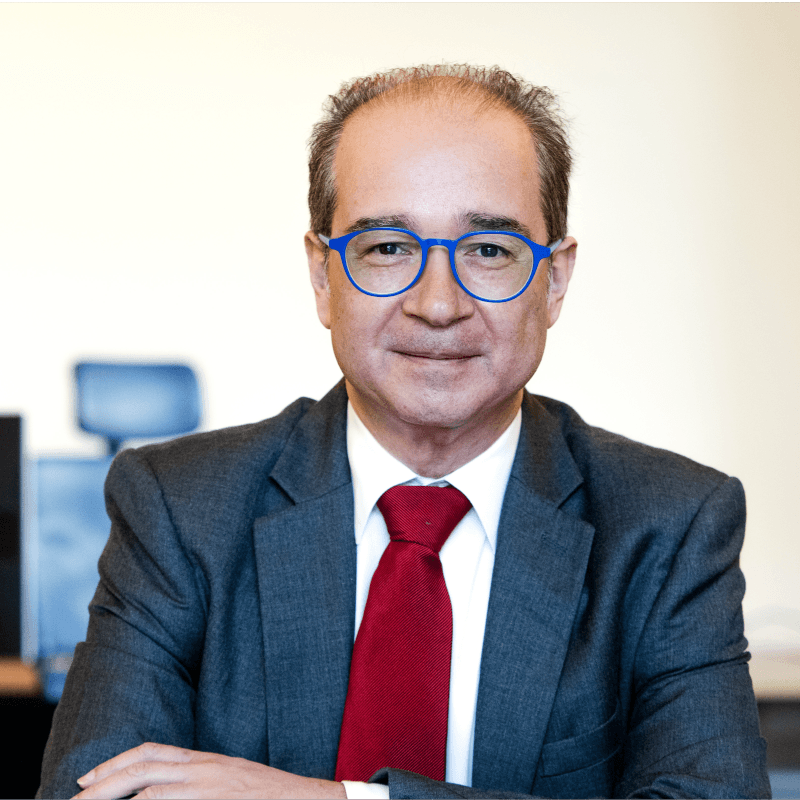 Stefanos Fotiou
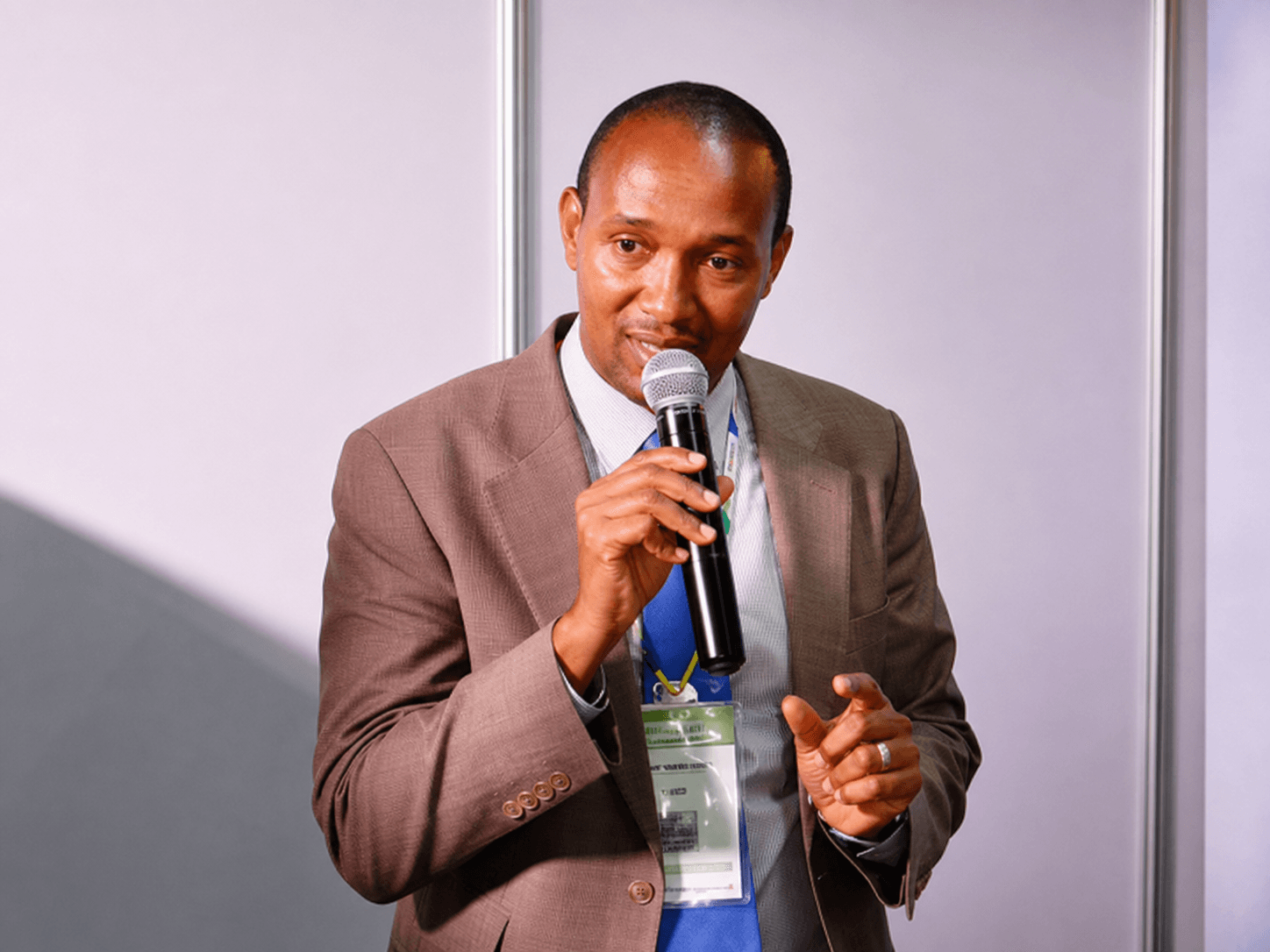 Peter Manyara
 Carla Gautier
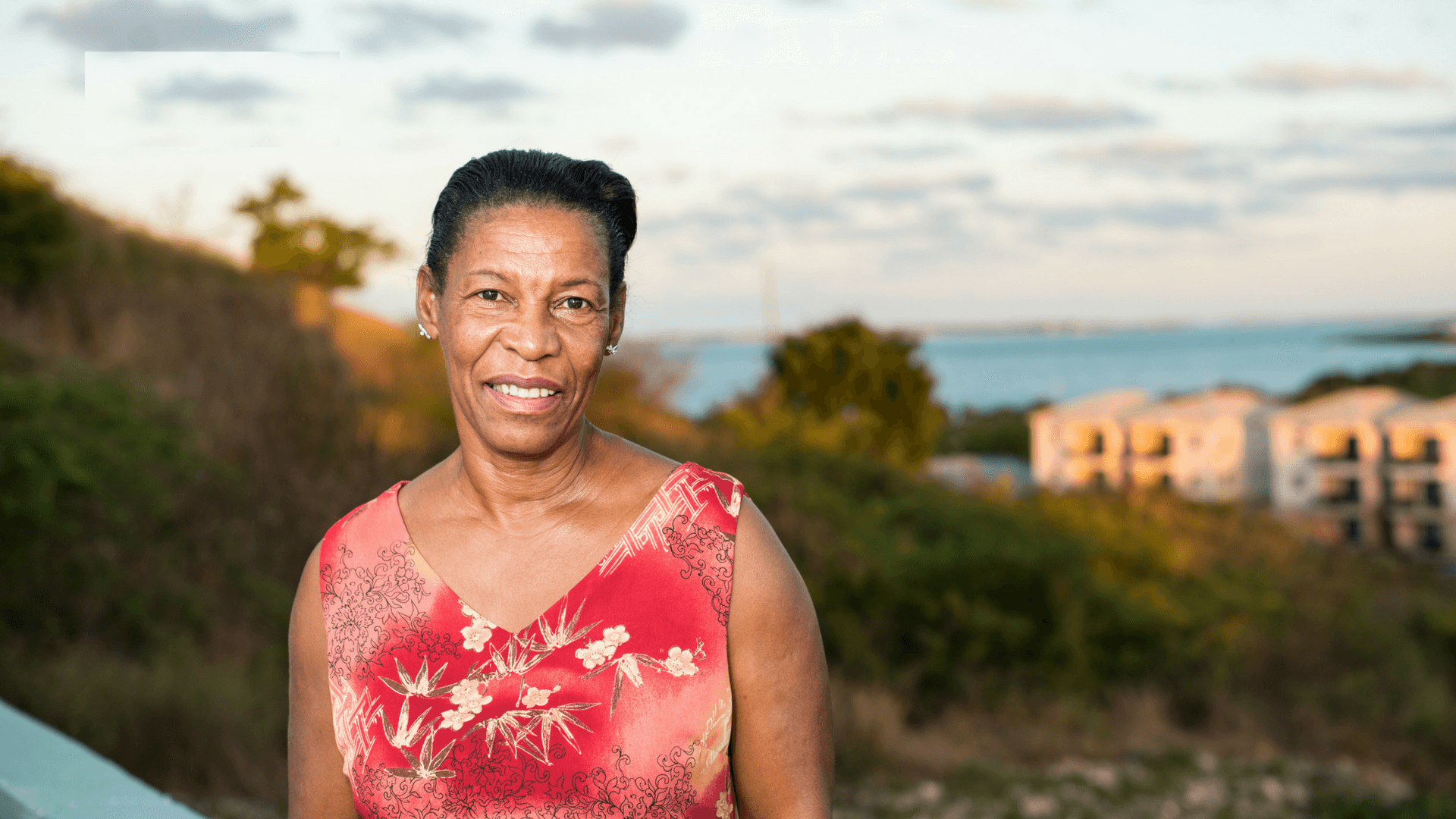 Ruth Viola Spencer
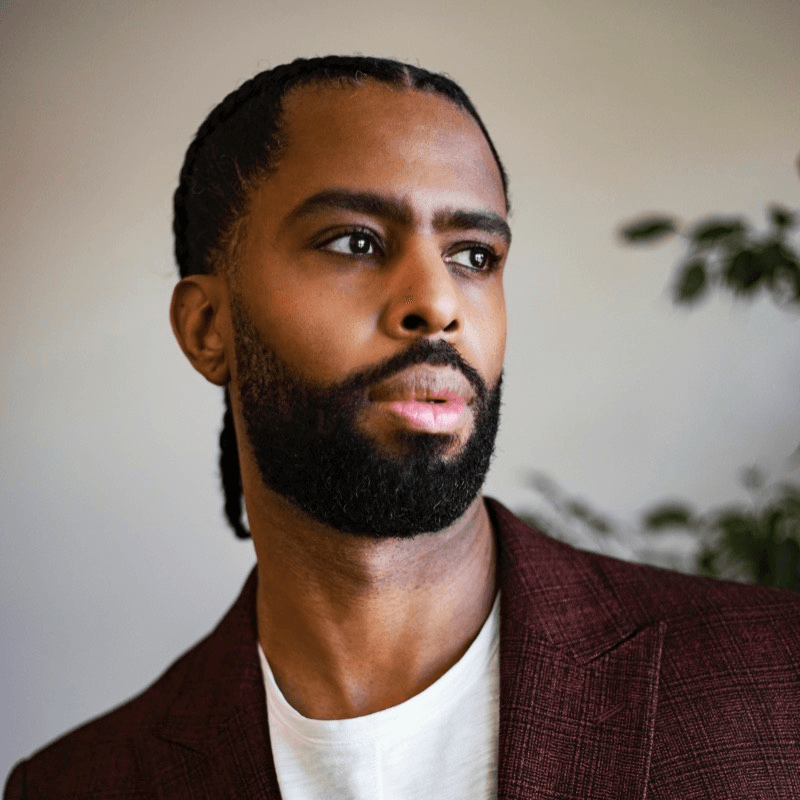 Henry Obispo
February 2026
Running for eight weeks from February to April 2026, this course examined how island territories can build clean, resilient and inclusive energy systems while reducing dependence on imported fossil fuels. Our weekly sessions covered the economics of small-scale energy systems through microgrid and hybrid design, regulatory frameworks and tariff reform, marine renewables, and climate finance from development banks. The final weeks turned to delivery, with case studies from the Estonian islands, La Palma, the Pacific and the Aran Islands.
Maggie LeeJulia Martínez CabreraStefanos FotiouPeter ManyaraCarla GautierRuth Viola SpencerHenry ObispoOctober 2025
Delivered over eight weeks between October and December 2025, this was the first course in the ISDP Masterclass Series. It brought together professionals working in sustainable development, climate action, energy and finance across island contexts to move from strategy to funded projects. Sessions covered the strategic foundations of island sustainability, climate finance and the Bridgetown Initiative, legal and financial tools for blue economy projects, proposal design and logframes, circularity, and leadership. Participants closed the course with a project blueprint developed through peer and expert feedback. Speakers came from Barbados, Seychelles, South Africa and the United Kingdom.
Maggie LeeJulia Martínez CabreraStefanos FotiouPeter ManyaraCarla GautierRuth Viola SpencerHenry ObispoThe course begins on 19 January 2027 and runs for eight weeks. Places are limited, so secure yours before the cohort fills.
Enrol now